
It's a human connection
I don’t think nostalgia is surging just because people suddenly developed a taste for retro aesthetics.
What I think is happening is much more human than that. People are living through a period that feels fast, unstable, digitally exhausting, and strangely untethered, so it makes sense that they’re reaching for things that feel familiar, grounding, and emotionally true. When the present becomes noisy, the past starts to feel like somewhere you can still hear yourself think.
You can see it everywhere. Old games are being replayed with almost reverent affection. Physical media is being talked about with a level of emotion that goes far beyond format preference. Younger audiences who didn’t fully live through certain eras are still drawn to the texture of them — the tactility, the imperfections, the slower pace, the sense that culture once felt a little more owned and a little less rented.
From the outside, it can look like a style cycle. In reality, I think it’s closer to a coping mechanism.
When the present feels unreliable, the past feels like solid ground
One of the biggest drivers behind nostalgia right now is uncertainty. Economic pressure, political tension, constant technological acceleration, algorithmic culture, AI, endless feeds, endless updates — it all creates a feeling that life is moving very quickly while giving people fewer places to emotionally stand still.
In that environment, nostalgia becomes more than indulgence. It becomes a way of regaining some sense of stability.
A memory tied to a game case, a film sleeve, a card, a ticket stub, or an old CD has a weight to it because it belongs to a real chapter of your life. It reminds you of where you were, who you were with, what mattered to you, and what the world felt like before everything became so frictionless that it also became forgettable. That’s why the past can feel so reassuring in moments like this. It offers continuity at a time when a lot of people feel fragmented.
I think that’s an important distinction, because it explains why nostalgia has emotional force even when the object itself isn’t objectively rare or expensive. A £10 game can matter more to someone than a high-end collectible ever could, simply because of the life attached to it.
Nostalgia is doing emotional work for people
We often talk about nostalgia as if it lives on the surface — a look, a soundtrack, a colour palette, a familiar logo. But most of the time, what people are responding to is far deeper.
Nostalgia helps people regulate emotion. It offers comfort when the present feels overwhelming, belonging when life feels socially thin, and a sense of identity when the pace of change makes people feel disconnected from earlier versions of themselves. It can even create a form of hope, because remembering who you were and what you loved has a way of reminding you that your life still forms one continuous story.
That’s why people don’t just keep old things; they protect them, revisit them, and increasingly want to display them. The object becomes proof that something happened. It’s evidence of a friendship, a phase of life, a room you grew up in, a weekend ritual, a film you watched until the case cracked, or the game you and your mates played until two in the morning with headsets on and no sense of time. The value isn’t in the material alone.
The value is in what the material still carries.
A lot of nostalgia is really a response to digital fatigue
I also think the current nostalgia wave says a lot about how people feel about digital life.
For years, convenience has been sold to us as the final answer. Everything became faster, flatter, more accessible, more invisible. In some ways that has been brilliant, but it has also created a culture where so much of what we consume leaves no physical trace behind. We stream it, scroll it, like it, save it, and move on. Very little of it stays in the room with us.
That absence matters more than people expected.
Physical media, analog objects, and nostalgic formats offer something digital life often doesn’t: texture, presence, friction, permanence. They ask something of you. You hold them. You notice them. You place them somewhere. You build rituals around them. In a world where so much now happens behind glass and disappears into subscriptions, there is something deeply calming about an object that simply exists in front of you and keeps existing whether the platform changes or not.
That’s part of why younger audiences are drawn to older formats too. What looks like retro taste is often a search for something less disposable and more felt.
Nostalgia is social before it is aesthetic
Another reason it hits so hard today is that nostalgia is rarely just about the object. It’s usually about the people, the atmosphere, and the feeling of belonging wrapped around it.
Most of us aren’t nostalgic for plastic and paper in isolation. We’re nostalgic for Friday nights, siblings, sleepovers, first consoles, shared headphones, multiplayer lobbies, road trips, cinema runs, and the strange little rituals that gave those objects meaning in the first place. Even when we’re alone with a memory, we’re usually remembering some form of connection.
That matters because modern life often feels socially diluted. We are in contact with more people than ever, yet many people feel lonelier, more mediated, and less rooted in community. Nostalgia steps into that gap by briefly restoring a sense of togetherness. It reminds people that they belonged somewhere, that life had texture, and that not every meaningful experience has to be optimised to count.
I suspect that’s one of the reasons nostalgic content performs so strongly online. People aren’t just reacting to recognition. They’re reacting to a shared emotional language.
Social media didn’t create nostalgia, but it has accelerated it
There’s an irony in the fact that digital platforms are helping to fuel a craving for the pre-digital feeling.
Social media has made the past more searchable, remixable, and portable than ever before. Old adverts, console intros, childhood products, movie packaging, magazine scans, soundtrack clips, and half-forgotten cultural moments can all be resurfaced instantly and shared at scale. Because of that, nostalgia now spreads communally rather than privately. A memory that might once have stayed personal can now become part of a collective rediscovery within hours.
That creates two things at once. On one level, it makes nostalgia more visible. On another, it blurs the line between true nostalgia and simple familiarity, because people can develop emotional recognition for eras they didn’t fully live through simply by being repeatedly exposed to their symbols, sounds, and stories.
Even so, the emotional pull is real. Whether someone is remembering their own past or yearning for a version of culture that feels more tangible than the present, the underlying desire is often the same: to feel connected to something more solid than the endless now.
Why brands are leaning into it so heavily
Brands have noticed all of this, of course, and for obvious reasons.
Familiarity lowers resistance. Recognition builds trust faster than novelty. When people feel uncertain, they are generally more receptive to what already feels emotionally legible. That’s why nostalgia-led campaigns so often cut through: they don’t have to build meaning from scratch. They borrow from memory.
The problem is that plenty of brands stop at the aesthetic layer. They bring back an old logo, mimic an old ad, use a retro font, or reference a shared cultural moment without understanding why it matters. When that happens, the work can feel opportunistic very quickly.
The better use of nostalgia is not to cosplay the past, but to honour what people are actually missing. Reassurance. Permanence. Identity. Belonging. A sense that some things deserve to stay visible.
That distinction matters to me, because it’s the difference between using nostalgia as decoration and understanding it as emotional truth.
Why this matters for physical media especially
For me, this is exactly why physical media still matters, and why display matters with it.
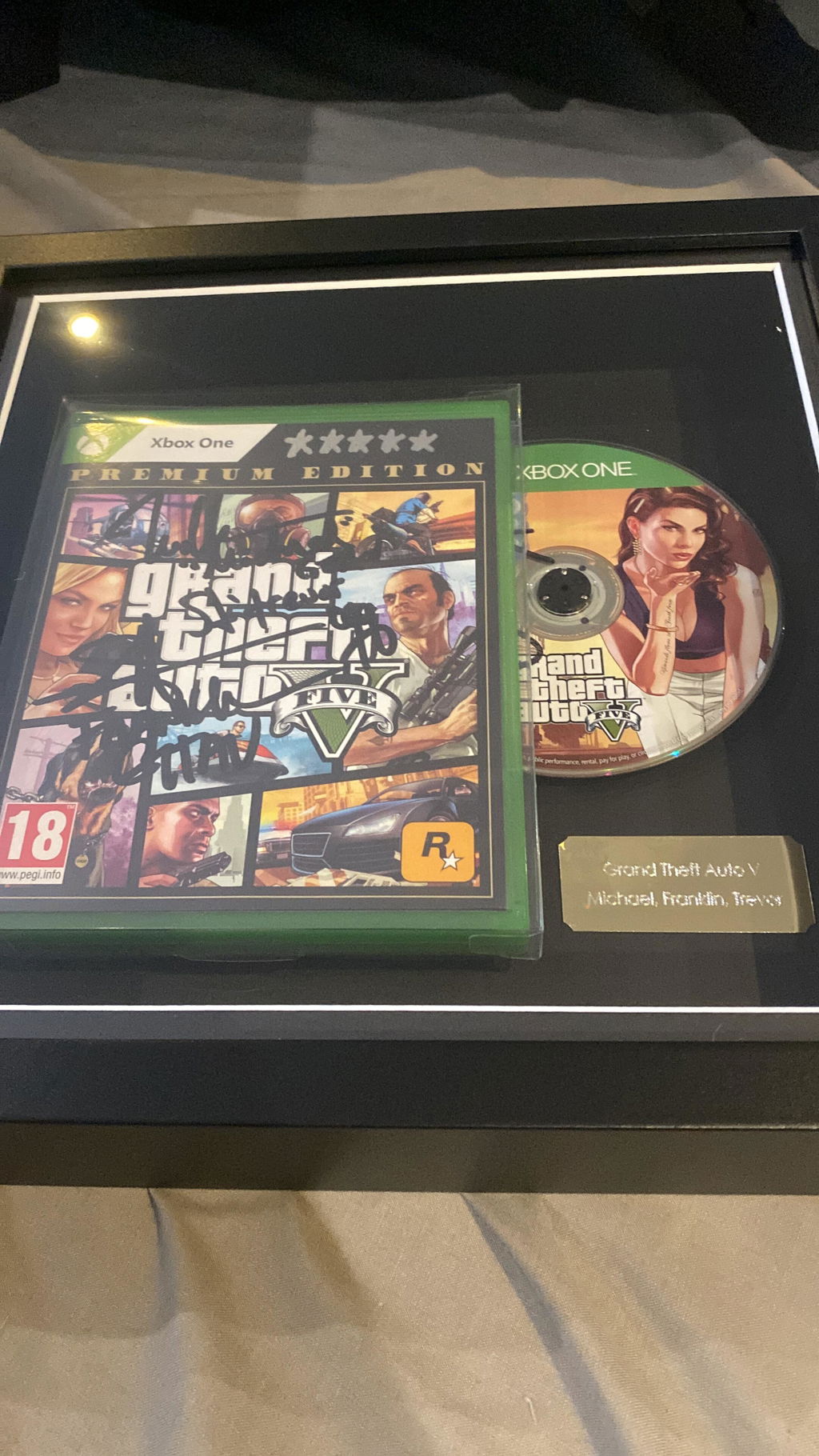
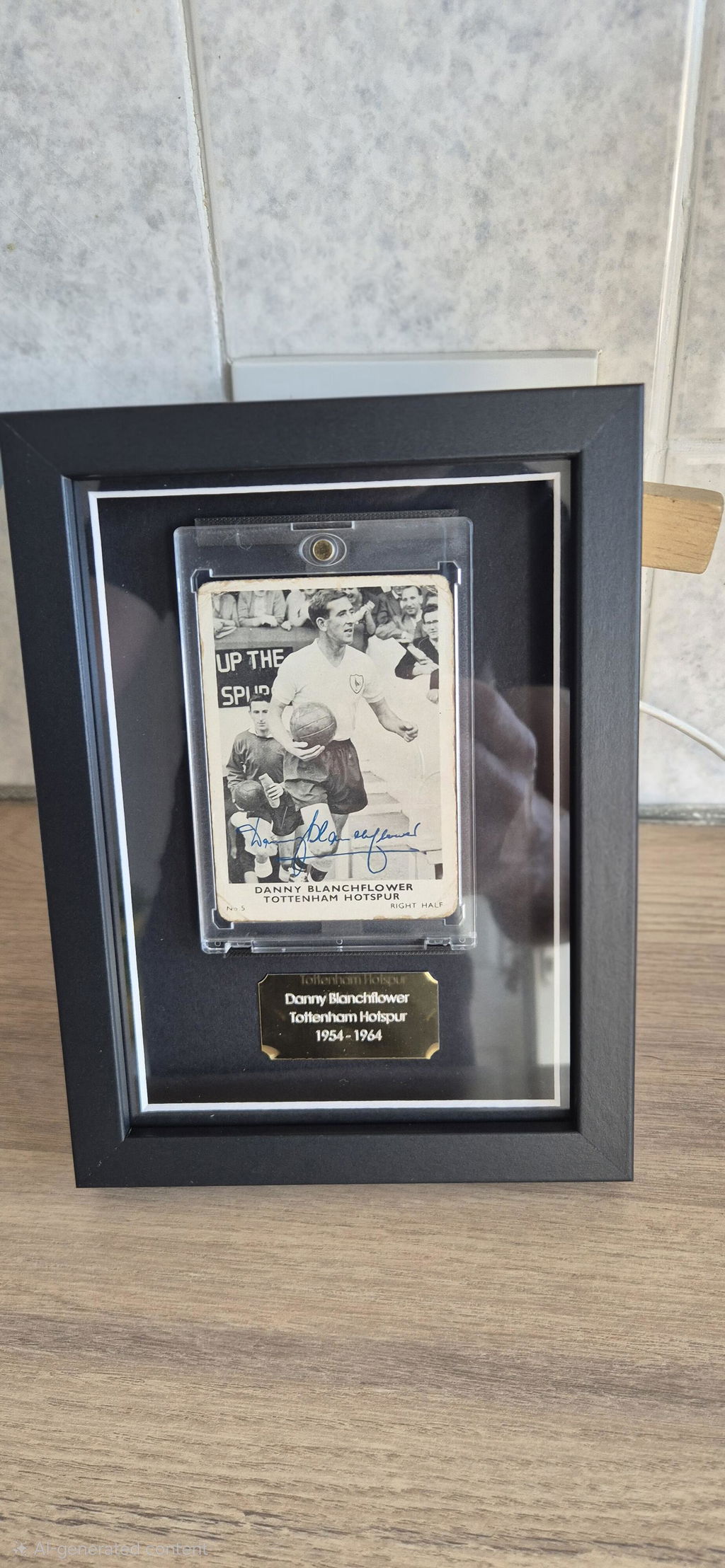
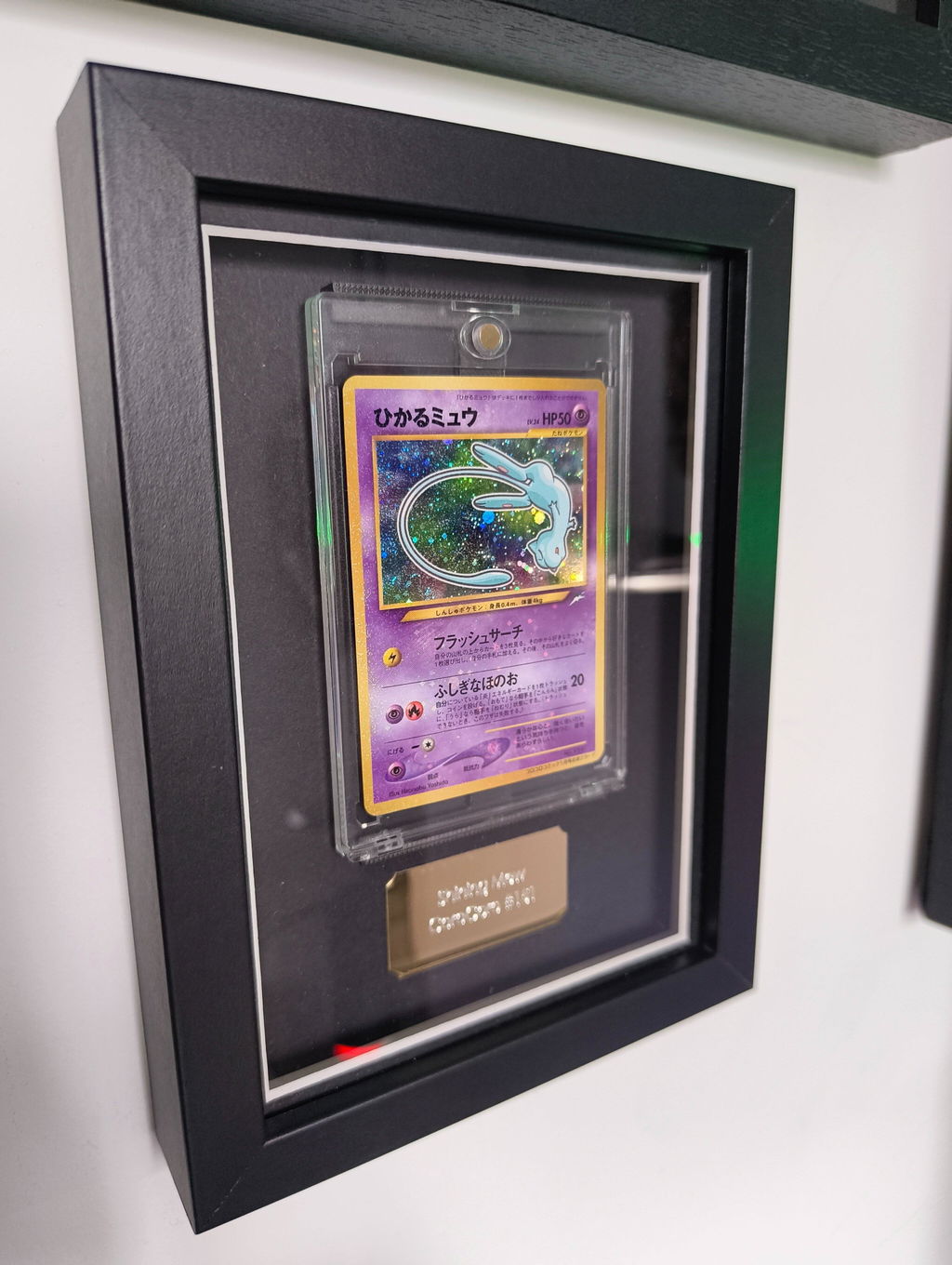
A game, film, card, or steelbook is never just its function once it has lived with you long enough. It becomes attached to a version of your life. And when more of culture moves into invisible, licensed, temporary spaces, the objects that remain start carrying even more weight. They become anchors.
That’s also why I don’t think people only want to store these things safely. More and more, they want to see them. They want reminders of the parts of themselves those objects still hold. They want their homes, offices, and rooms to say something true about who they are and where they’ve been.
In that sense, the nostalgia surge isn’t really about looking backwards for the sake of it. It’s about trying to keep hold of something human while the world becomes more abstract.
And maybe that’s the real reason it feels so strong right now. People aren’t just missing old things.
They’re looking for evidence that the parts of life that shaped them are still worth keeping in view.
Conclusion
If nostalgia is resonating more powerfully today, I don’t think it’s because people are refusing to move on. I think it’s because they’re trying to stay connected to what made them feel like themselves in the first place.
That matters for culture, for brands, and especially for anyone who still believes physical objects can carry real emotional weight.
If you’ve got something that takes you straight back — a game, a film, a card, a steelbook, a piece of physical media that still means more than it should on paper — maybe the question isn’t why you’ve kept it.
Maybe the better question is why it’s still hidden away.
Browse the Cheevo shop
Steelbook Wall Display
- £9.99
- £9.99
- Unit price
- / per
- £9.99
- £9.99
- Unit price
- / per
-
Acrylic
-
99% UV Acrylic
Pokémon Trading Card Display Frame - Acrylic
- From £18.99
- From £18.99
- Unit price
- / per
- From £18.99
- From £18.99
- Unit price
- / per
-
Acrylic
-
99% UV Acrylic
-
Acrylic
-
99% UV Acrylic
Frame Your Own PC Game - Acrylic
- From £25.99
£35.99- From £25.99
- Unit price
- / per
- From £25.99
£35.99- From £25.99
- Unit price
- / per
-
Acrylic
-
99% UV Acrylic
PlayStation Game Display Frame
- From £25.99
- From £25.99
- Unit price
- / per
- From £25.99
- From £25.99
- Unit price
- / per
Xbox Game Display Frame
- From £25.99
- From £25.99
- Unit price
- / per
- From £25.99
- From £25.99
- Unit price
- / per
-
Acrylic
-
99% UV Acrylic
Frame for ACE-Graded Trading Cards - Acrylic
- From £26.99
- From £26.99
- Unit price
- / per
- From £26.99
- From £26.99
- Unit price
- / per
-
Acrylic
-
99% UV Acrylic
-
Acrylic
-
99% UV Acrylic
Topps UEFA Club Competitions Card Display Frame - Acrylic
- From £18.99
- From £18.99
- Unit price
- / per
- From £18.99
- From £18.99
- Unit price
- / per
-
Acrylic
-
99% UV Acrylic
-
Acrylic
-
99% UV Acrylic
Frame Your Nintendo Switch Game - Acrylic
- From £25.99
£35.99- From £25.99
- Unit price
- / per
- From £25.99
£35.99- From £25.99
- Unit price
- / per
-
Acrylic
-
99% UV Acrylic
Video Game Magnetic Wall Display
- £9.99
- £9.99
- Unit price
- / per
- £9.99
- £9.99
- Unit price
- / per
-
Acrylic
-
99% UV Acrylic
Nintendo Wii Magnetic Game Display Frame - Acrylic
- From £29.99
- From £29.99
- Unit price
- / per
- From £29.99
- From £29.99
- Unit price
- / per
-
Acrylic
-
99% UV Acrylic