
PlayStation Ends Physical Discs in 2028: Here's my take on the situation.

Where The Energy Should Go
"I couldn't keep it in a drawer any longer. It meant something to me, and the thought of losing it made me want to display it, not just store it." That's a CHEEVO customer, talking about a PS2 and PS3 library that had sat untouched in a drawer for over a decade, days after Sony confirmed that new PlayStation games stop coming on disc from January 2028. Nothing about their library actually changed that day. What changed was how urgent it suddenly felt to look at what they already owned.
That reaction is the sane one. The louder reaction, the one dominating comment sections and quote-tweets, has mostly settled into one word: fury, aimed squarely at Sony. Individual players and even some companies have been publicly telling PlayStation, in no uncertain terms, to screw itself — treating this as a betrayal worth burning the relationship over. I think that's the wrong target, and worse, it's energy spent on the wrong fight. Killing off disc production doesn't change what you already didn't own, and shouting at a press release doesn't fix the actual problem. Here's where I think that energy belongs instead. Three changes worth actually pushing for, and the case for each one, including what we're hearing directly from collectors and traders since the announcement, is what the rest of this piece is for.
- 1. Disc or code shouldn't change what you own. The format a game arrives in — plastic or a redemption key — shouldn't be the thing that decides whether your purchase can be taken away. If a licence is a licence either way, publishers should say so consistently and stop letting a disc's mere presence imply a permanence the terms and conditions don't actually promise.
- 2. Licence transfer needs to be built, not banned. The resale argument further down is the one I take most seriously, and the fix isn't nostalgia for plastic. It's a proper mechanism for moving a digital licence from one account to another, the way a disc moves from one shelf to another. Platforms already handle account transfers, gifting, and family sharing in limited forms. Extending that into a genuine resale or hand-me-down system is a technical and commercial choice, not an impossibility.
- 3. Collector's editions shouldn't disappear with the disc. Nothing about going digital-only requires publishers to stop making something physical. Steelbooks, art books, vinyl soundtracks, cover art, figures, etc. None of that needs a disc inside it to justify existing. If anything, a digital-only release makes the collector's item more honest: it's sold as what it is, a physical artefact to own, next to a digital licence to play.
None of that needs Sony to reverse course, and none of it needs the discourse it's currently getting. It needs publishers, platform holders and regulators to treat licence portability and physical collectability as product decisions worth solving, and it needs players to keep making the resale argument, because it's the one with actual teeth, instead of venting at a decision that was made two years before it takes effect.
Being angry at Sony for a production schedule doesn't get anyone a resale market, a portable licence, or a better collector's edition. It just gets you angry.
What Actually Happened
Sony's announcement was narrower than the headlines suggest: physical disc production for new PlayStation games ends in January 2028. Existing disc titles are unaffected. From that date, new releases arrive as downloads, or as a code in a box for anyone who still wants something on a shelf. That's it. The disc leaving doesn't create the ownership problem people are angry about. It just removes the object that was quietly disguising it.

Point One: Disc or Code Shouldn't Decide What You Own
Start with access, because it's the one with actual legal weight behind it. When Ubisoft delisted The Crew and cut off access for everyone who'd paid for it — disc or no disc — it became the reference case for a debate that had been simmering in EULAs for two decades asking the question; do you actually own the game, or are you just renting it, for as long as the licensor chooses to keep providing that access.
That's no longer just a cynical reading of the small print — California's AB 2426 already makes it illegal to sell a digital game as a "buy" without disclosing that it's a revocable licence, with Maryland and New York following close behind. What we hear far more often at CHEEVO, though, isn't customers reciting statute, it's customers framing their PS2 libraries specifically because those discs don't need PlayStation Network to still work. We've had more than one person tell us, unprompted, that they wanted a title framed because "it'll still work even if Sony shuts PSN down tomorrow". That's an example of licence portability being solved the oldest way there is: by never depending on the licence in the first place.
This is where point one comes from. If the licence underneath a disc-based game and a digital-only game is identical, then the disc was never the thing granting ownership, it just made the licence easier to forget about. Proof: the disc's own status as "proof of ownership" has been thinning out for two console generations, well before Sony made anything official.
- DVD-era (2000–2005) — roughly 4.7GB per disc, usually enough to hold the whole game outright. This is the generation the "disc equals ownership" instinct was built on.
- Blu-ray (2006–2020) — 25–50GB capacity, and this is where the drift starts: bigger games began shipping with mandatory day-one patches, meaning part of the "physical" game was never on the disc at all.
- Ultra HD Blu-ray / triple-layer (2020–present) — up to 100GB, yet install sizes on PS5 and Xbox Series X routinely exceed that once patches, texture packs, and duplicated files for load times are added. In some cases the day-one patch alone outweighs the entire disc.
- Code-in-a-box — an already-established retail format (used for years across Switch and Xbox titles, and central to the recent GTA VI physical-edition dispute where retailers pushed back on a disc-free box) where the "physical" product is packaging plus a redemption key. No game data on the shelf at all.
Put plainly: on a current-gen disc-based console, the disc mostly authenticates that you own a licence, then hands off to the internet to fetch the game you actually paid for. That is functionally identical to what a code does. The object changed. The mechanism however, a key that unlocks a download, didn't. Which is exactly why publishers should be made to say so consistently, instead of letting a disc's mere presence imply a permanence it was never actually offering.
A 2006 Blu-ray game with a 30GB day-one patch and a 2028 download code are doing the same job. One just came with a case.
Point Two: Licence Transfer Needs To Be Built, Not Banned
There's a pushback to all of this that deserves serious weight, because unlike a lot of the noise around this announcement, it's completely valid: I can resell a disc. I can't resell a code. A disc could be sold to a shop, traded in, lent to a mate for the weekend, or handed down. A code, the moment it's redeemed, exists nowhere except inside one account on one platform. That's not a feeling — it's a real, practical right that quietly disappears with the format.
This is, in my view, the sharpest version of the ownership argument — sharper than the licence-vs-purchase point above. AB 2426 forces companies to be honest that you're licensing, not buying, but it doesn't require them to let that licence move to anyone else. The disc wasn't just a licence check with an offline fallback if servers went down; it was also the last format where a second-hand market could exist at all. A scratched-but-functional PS2 disc still plays in 2026 with no login required. A revoked digital licence doesn't play at all, regardless of format.
Look at what actually happens to price once there's nothing physical to fall back on. When Konami cancelled Silent Hills in 2015 and pulled the free P.T. playable teaser from the PlayStation Store, there was no disc version at any price — P.T. never had one. Within weeks, PS4 consoles with the file still installed were listed on eBay for $1,000 to $1,800, with some auctions reportedly climbing as high as $3,500, purely because wiping the console's storage meant destroying the only surviving copy. eBay eventually banned the listings outright. That's the resale argument taken to its logical extreme: when a digital licence disappears, its value doesn't just drop to zero for the person who held it — the market simply moves that value onto whatever physical object happens to be holding the game hostage, legitimate resale channel or not.
Alan Wake is the cleaner version of the same story, with an actual disc in the mix. Remedy and Microsoft pulled the original Xbox 360 release from every digital storefront in May 2017 over an expiring music licence, and it stayed off digital sale for roughly eighteen months. Anyone who'd already bought it digitally kept their copy, but nobody could buy a new digital copy at any price during that window. The only route into the game for a new buyer was a secondhand disc which is exactly the kind of resale transaction a redeemed download code can never support. That's first-sale rights doing real, measurable work: a disc changing hands kept a game available to buyers through a gap when the digital shelf was legally empty. A digital licence bought the same week would have been worth precisely nothing to anyone who didn't already have it.

Point Three: Collector's Editions Shouldn't Disappear With The Disc
The third piece of this is the one publishers have the least excuse for getting wrong. Nothing about going digital-only requires them to stop making something physical, and several of the most collected editions in gaming already ship exactly this way: a code for the game, plus a box full of things worth keeping.
The numbers back this up on our own without needing the Sony news to do the explaining: framing enquiries for PS2 and PS4 disc-era libraries have run at roughly double our usual volume over the same period, and two titles account for most of it — Kingdom Hearts and Metal Gear Solid, both well ahead of anything else customers are asking us to frame. That's the same instinct behind the quote that opened this piece: not a vague sense that "interest is up," but people naming specific, decades-old games and asking to get them on a wall now, while the option still exists.
If anything, a digital-only release makes the collector's item more honest. Right now, a disc in a collector's edition case does double duty. It's sold as both a keepsake and the actual product, which is part of why losing it feels like losing more than it does. Split the two apart deliberately, and a publisher can sell a physical artefact to own, sitting next to a digital licence to play, without pretending the disc inside was ever doing much heavy lifting. That's a better, more honest product than what discs were quietly delivering already, not a downgrade from it.
The View From The Trade Floor
We heard a sharper version of the same reaction at a retro gaming show over the weekend, from Robbie, a trader who's spent years buying and selling secondhand PlayStation and Xbox libraries. Robbie's a die-hard gamer before he's a trader — Halo 2 is still the game he rates above everything else he's ever played, and he's currently hunting down a copy of Halo Campaign Evolved on disc rather than digital, on principle, before that choice narrows any further. He didn't mince words about how he felt on the Sony news: devastated. He grew up with physical collections, and for him, digital simply doesn't cut it as a replacement, however convenient it is. More practically, he told us the 2028 cutoff is already changing how he buys. Pre-2028 stock — complete-in-box editions especially — is something to acquire and hold now rather than turn over quickly, because after January 2028 it stops being replaceable at any price. That's not sentiment talking. That's a trader repricing his own acquisition strategy around a hard, dated supply cutoff.

What This Means for You
- You buy new releases day one — from 2028, your legal relationship to the game (a licence) doesn't change from what it already is today on PSN. What changes is that you lose the offline fallback and resale value a disc provided — which is exactly what point two is trying to fix.
- You're worried about delisting or shutdowns — this is the AB 2426 conversation, and it applies right now, to digital purchases you've already made, disc console or not.
- You collect physical media — pre-2028 discs become a finite, non-renewing category, and they remain the one format that keeps working without a server checking in. Push publishers on point three instead of mourning what's already gone.
- You mostly buy digital already — nothing changes for you either way. You were already living in the post-disc world; the announcement just makes it official for everyone else.
Where I Land
Both sides of the original argument are making a fair point, they're just answering different questions. The people saying "you never owned it anyway" are right about the legal reality. The people mourning the disc are right that something real is being lost. Not ownership exactly, but a physical, durable object that made the licence underneath it harder to fully revoke, and the last format that let you resell or hand a game on. None of that is solved by treating Sony as the villain of the piece. Sony didn't invent the licence model, and ending disc production doesn't make that model worse than it already was.
Point the anger at the three things that would actually change something; consistent licence disclosure, portable licences, and collector's editions worth owning, and you get somewhere. Point it at a press release, and in two years you'll just be angrier, with nothing to show for it.
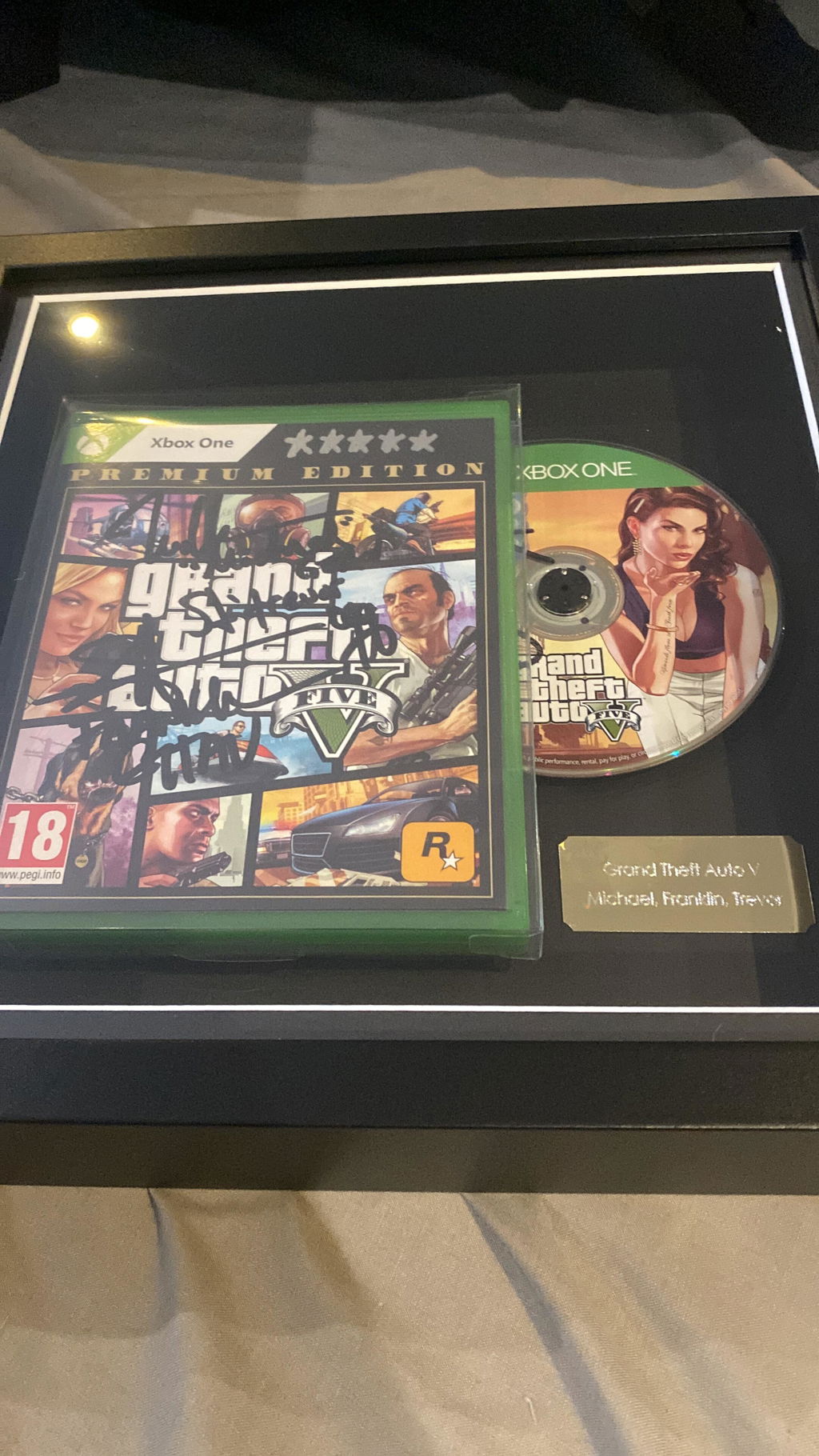
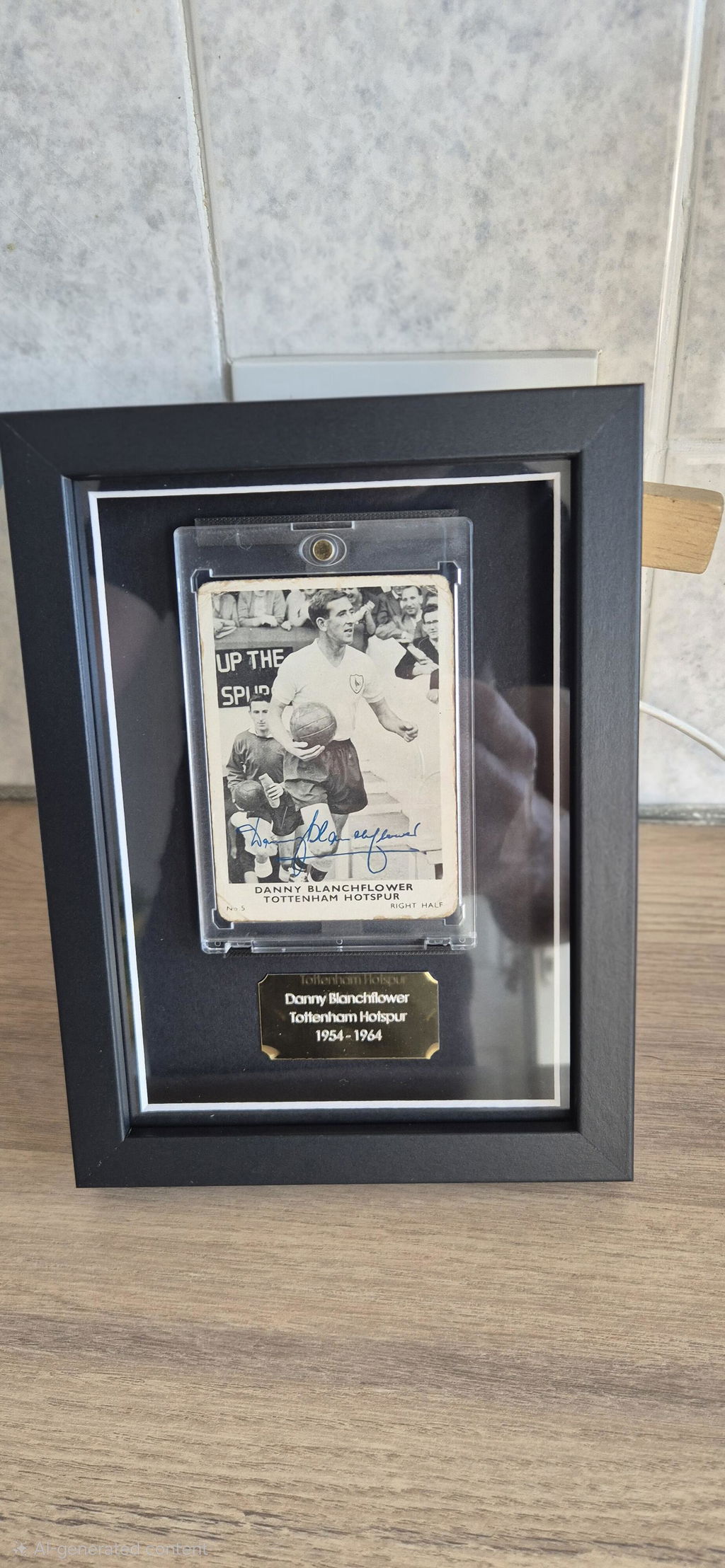
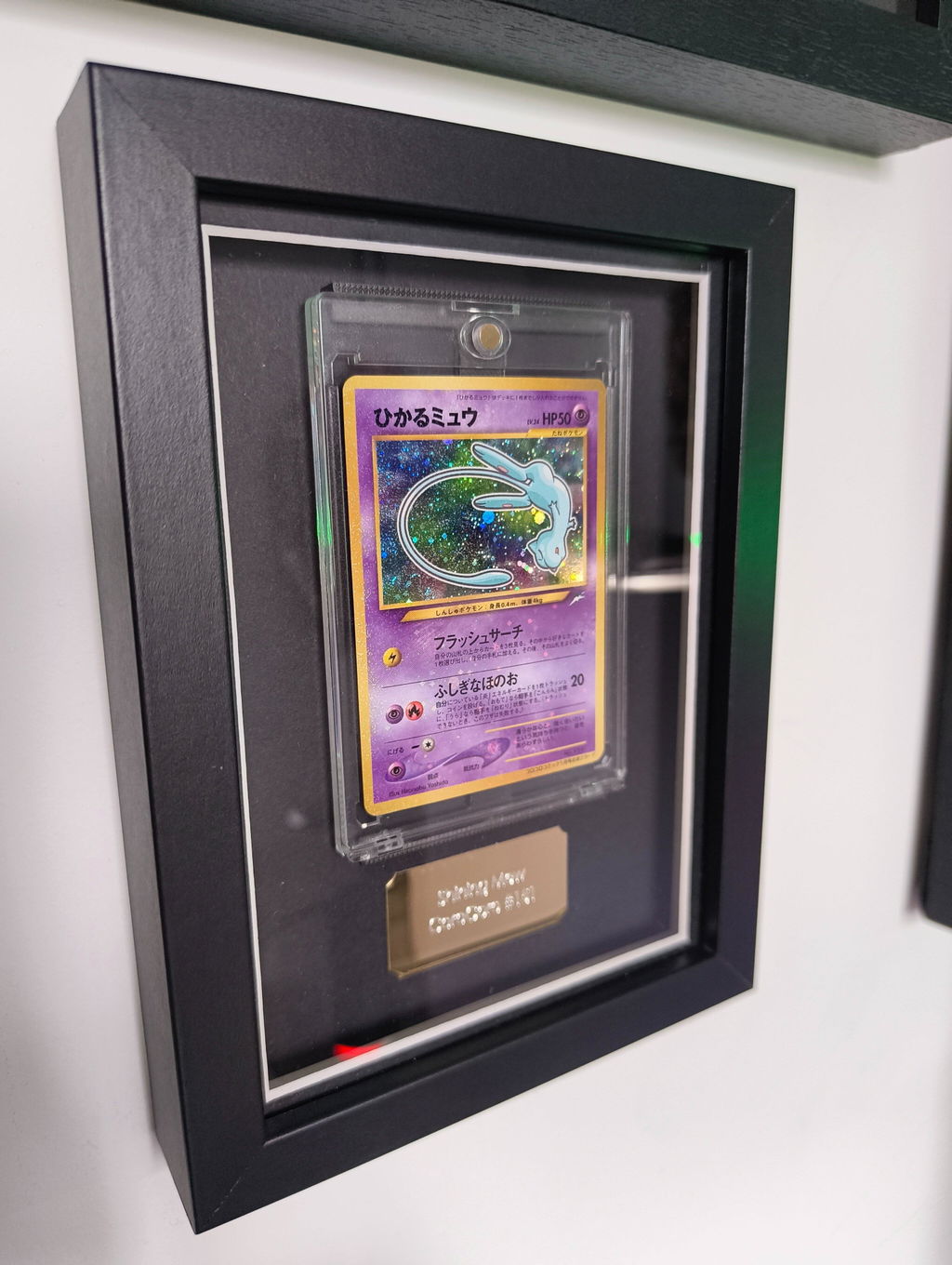
What doesn't wait for any of that to happen is the physical stock itself. Every disc made before January 2028 is now part of a finite, non-renewing category and nobody prints more once the line stops, and no policy fix restores a run that's already ended. That's a different problem to the licence question, and it's one with an answer available right now, not in 2028: get what you already own somewhere it can actually be seen, before "I'll frame it eventually" runs out of time along with the format.
The cases and cover art from this era are only becoming rarer by the day. Give them a proper display while you still can.
Where memories live.Browse the Cheevo shop


Steelbook Wall Display
- £9.99
- £9.99
- Unit price
- per
- £9.99
- £9.99
- Unit price
- per


-
Acrylic
-
99% UV Acrylic
Pokémon Trading Card Display Frame - Acrylic
- From £19.99
- From £19.99
- Unit price
- per
- From £19.99
- From £19.99
- Unit price
- per
-
Acrylic
-
99% UV Acrylic


-
Acrylic
-
99% UV Acrylic
Frame Your Own PC Game - Acrylic
- From £27.99
£35.99- From £27.99
- Unit price
- per
- From £27.99
£35.99- From £27.99
- Unit price
- per
-
Acrylic
-
99% UV Acrylic


PlayStation Game Display Frame
- From £27.99
- From £27.99
- Unit price
- per
- From £27.99
- From £27.99
- Unit price
- per


Xbox Game Display Frame
- From £27.99
- From £27.99
- Unit price
- per
- From £27.99
- From £27.99
- Unit price
- per


-
Acrylic
-
99% UV Acrylic
Frame for ACE-Graded Trading Cards - Acrylic
- From £28.99
- From £28.99
- Unit price
- per
- From £28.99
- From £28.99
- Unit price
- per
-
Acrylic
-
99% UV Acrylic

-
Acrylic
-
99% UV Acrylic
Topps UEFA Club Competitions Card Display Frame - Acrylic
- From £19.99
- From £19.99
- Unit price
- per
- From £19.99
- From £19.99
- Unit price
- per
-
Acrylic
-
99% UV Acrylic


-
Acrylic
-
99% UV Acrylic
Frame Your Nintendo Switch Game - Acrylic
- From £27.99
£35.99- From £27.99
- Unit price
- per
- From £27.99
£35.99- From £27.99
- Unit price
- per
-
Acrylic
-
99% UV Acrylic

Video Game Magnetic Wall Display
- £9.99
- £9.99
- Unit price
- per
- £9.99
- £9.99
- Unit price
- per


-
Acrylic
-
99% UV Acrylic
Nintendo Wii Magnetic Game Display Frame - Acrylic
- From £31.99
- From £31.99
- Unit price
- per
- From £31.99
- From £31.99
- Unit price
- per
-
Acrylic
-
99% UV Acrylic