
Physical Game Sales Just Hit a 30-Year Low. Here's What We're Actually Losing
04 May 2026

Browse the Cheevo shop


Steelbook Wall Display
- £9.99
- £9.99
- Unit price
- per
Show off your video game steelbooks, movies and CD's on the wall, magnetically. Key Features Designed for all standard sized Steelbook formats Works with PlayStation and Xbox steelbooks Built for PS3, PS4, PS5, Xbox One, Xbox Series X Steelbooks Built for DVD and Blu-ray...
- £9.99
- £9.99
- Unit price
- per


-
Acrylic
-
99% UV Acrylic
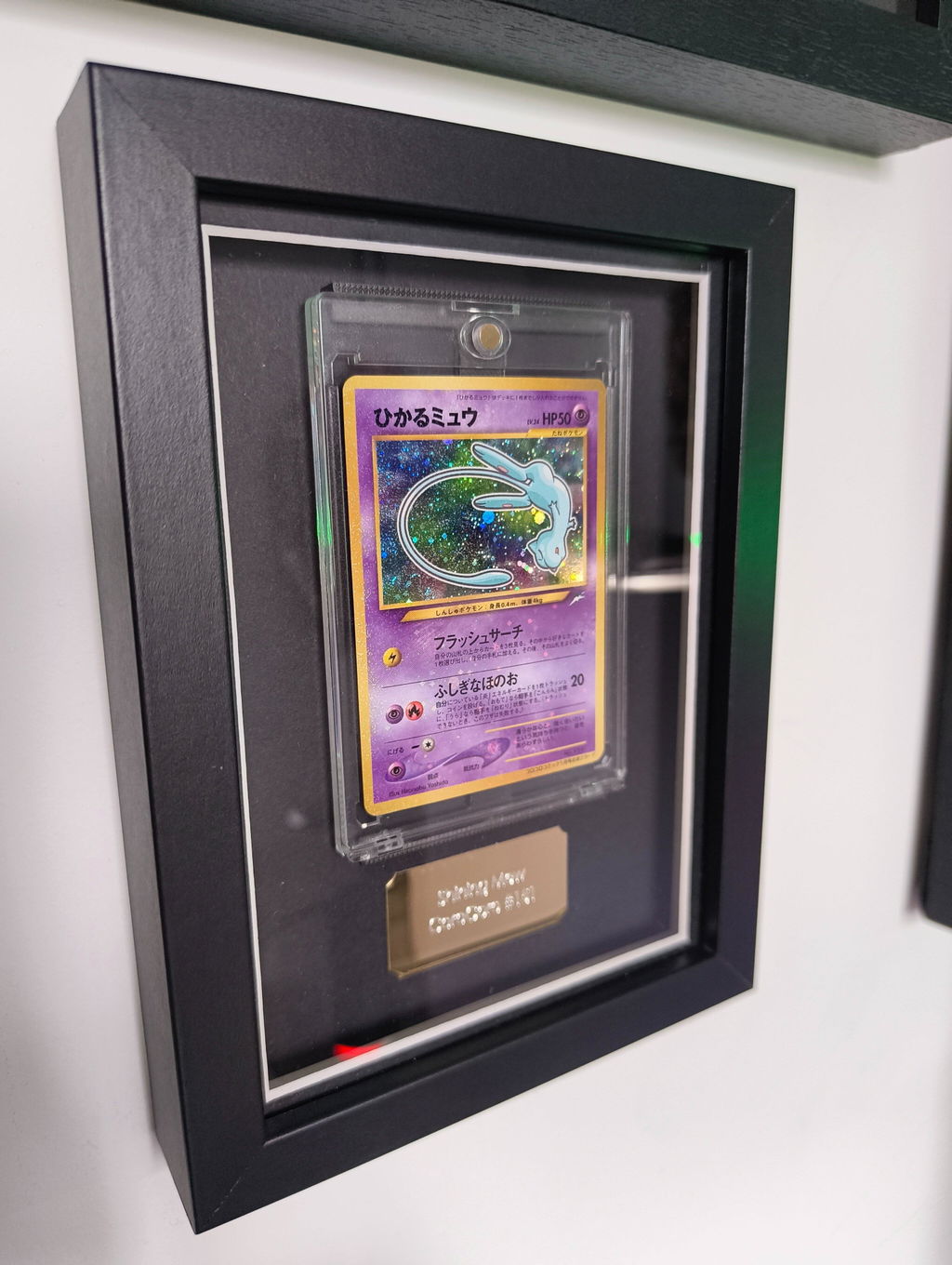
Pokémon Trading Card Display Frame - Acrylic
- From £19.99
- From £19.99
- Unit price
- per
Put your favourite Pokemon cards in a frame. Pokemon card protection at a glance ✔ Frame size -- 180mm x 130mm x 30mm✔ Includes a premium magnetic case for secure, dust-free display✔ Acid free, archival quality case✔ Safe for 35pt cards (for standard thickness)✔ Perfectly...
- From £19.99
- From £19.99
- Unit price
- per
-
Acrylic
-
99% UV Acrylic


PlayStation Game Display Frame
- From £27.99
- From £27.99
- Unit price
- per
Frame your own Playstation game. It's the easiest way to show off your favourite Playstation titles! Are you a big fan of physical Playstation games? Looking for way to display your favourite ones? Introducing the Cheevo frame. It's a special frame where you can...
- From £27.99
- From £27.99
- Unit price
- per


-
Acrylic
-
99% UV Acrylic
Frame Your Own PC Game - Acrylic
- From £27.99
£35.99- From £27.99
- Unit price
- per
Introducing the frame your own PC game solution: The easiest way to show off your favourite PC games! Do you love playing Windows PC games? Want to show off your favourite ones? This framed game is perfect for you! It's a special frame where you can put any PC game...
- From £27.99
£35.99- From £27.99
- Unit price
- per
-
Acrylic
-
99% UV Acrylic


Xbox Game Display Frame
- From £27.99
- From £27.99
- Unit price
- per
Frame your own Xbox game. It's the easiest way to show off your favourite Xbox titles! Are you a big fan of physical Xbox and games? Looking for way to display your favourite ones? Introducing the Cheevo frame. It's a special frame where you...
- From £27.99
- From £27.99
- Unit price
- per


-
Acrylic
-
99% UV Acrylic
Frame for ACE-Graded Trading Cards - Acrylic
- From £28.99
- From £28.99
- Unit price
- per
For collectors who want to display their cards. Our ACE-Graded Card Frame is designed for those who want their collection to stand out — not blend in. Each frame is precision-built to fit ACE slabs perfectly, offering a sharp, contemporary look that highlights ACE’s...
- From £28.99
- From £28.99
- Unit price
- per
-
Acrylic
-
99% UV Acrylic

-
Acrylic
-
99% UV Acrylic
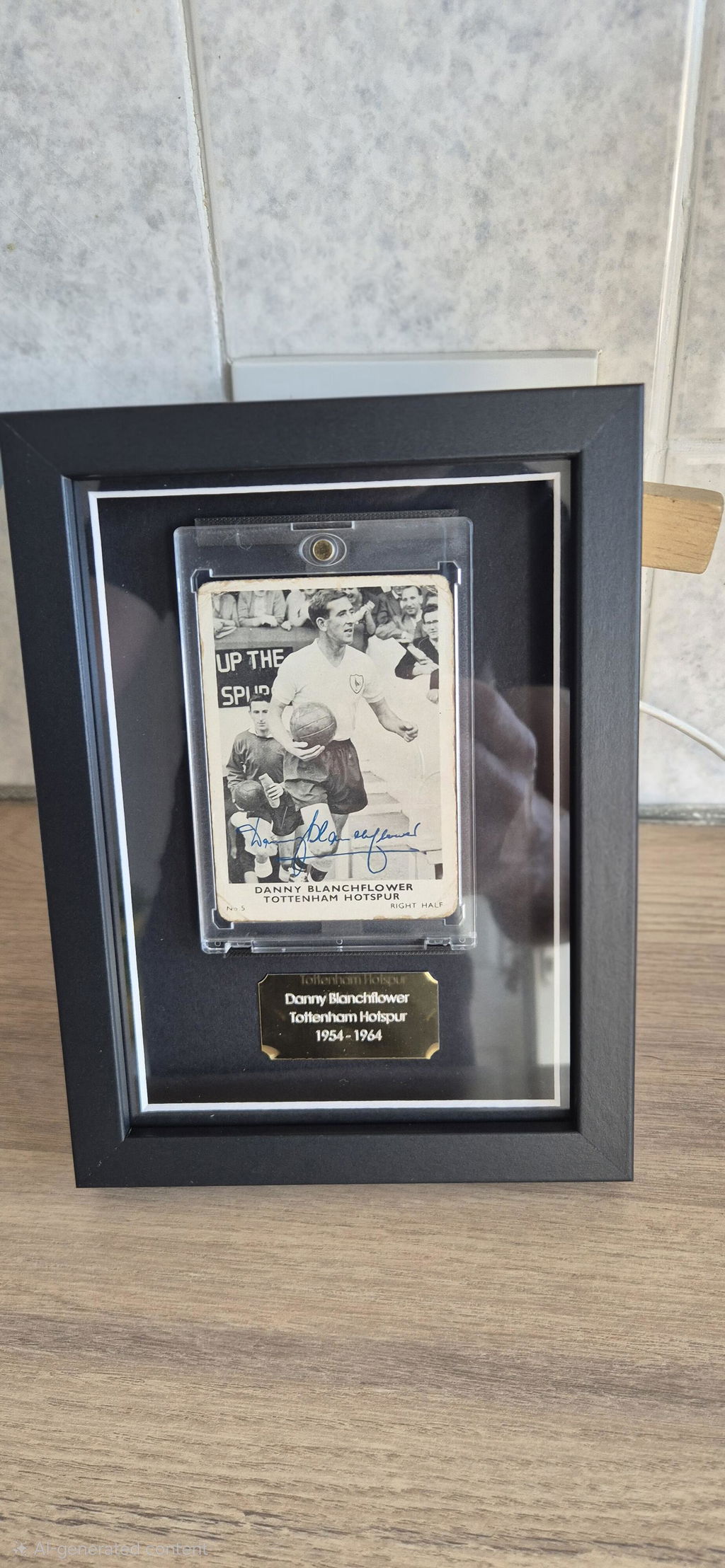
Topps UEFA Club Competitions Card Display Frame - Acrylic
- From £19.99
- From £19.99
- Unit price
- per
Put your favourite Topps UEFA Club Competitions card in a frame. Topps UEFA Club Competitions card display features: ✔ Frame size -- 180mm x 130mm x 30mm✔ Includes a premium magnetic case for secure, dust-free display✔ Acid free, archival quality case✔ Safe for 35pt...
- From £19.99
- From £19.99
- Unit price
- per
-
Acrylic
-
99% UV Acrylic


-
Acrylic
-
99% UV Acrylic
Frame Your Nintendo Switch Game - Acrylic
- From £27.99
£35.99- From £27.99
- Unit price
- per
Display and Frame Your Nintendo Switch Game Transform your Nintendo Switch games into stunning wall art with our Nintendo Switch Display Frame. This frame is designed to let you frame a video game while safeguarding your collection. The Best Way To Frame A Video...
- From £27.99
£35.99- From £27.99
- Unit price
- per
-
Acrylic
-
99% UV Acrylic


-
Acrylic
-
99% UV Acrylic
Nintendo Wii Magnetic Game Display Frame - Acrylic
- From £31.99
- From £31.99
- Unit price
- per
Magnetic Display Frame for Nintendo Wii Games | Drop & Display Design You didn’t just play. You moved. You swung. You lived it. From your first strike in Wii Sports to epic journeys in The Legend of Zelda: Twilight Princess, the Nintendo Wii changed...
- From £31.99
- From £31.99
- Unit price
- per
-
Acrylic
-
99% UV Acrylic

-
Acrylic
-
99% UV Acrylic
Nintendo GameCube Game Display Frame - Acrylic
- From £31.99
- From £31.99
- Unit price
- per
Magnetic Display Frame for Nintendo GameCube Games | Drop & Display Design Small discs. Massive memories. Whether it was the mansion doors of Luigi’s Mansion, the spacefaring silence of Metroid Prime, or the sunshine-soaked joy of Super Mario Sunshine, the GameCube didn’t just play...
- From £31.99
- From £31.99
- Unit price
- per
-
Acrylic
-
99% UV Acrylic