Published 23 February 2026 · CHEEVO
You've decided to get your cards graded. Good decision. Whether you were inspired by Logan Paul's PSA 10 Pikachu Illustrator selling for $16.5 million this week, or you've simply got a stack of cards you think deserve an official verdict — the question every UK collector hits first is the same: how much is this actually going to cost me?
The honest answer is: it depends. Grading costs vary significantly based on which company you choose, how fast you want your cards back, and critically, whether you're posting to a UK-based grader or shipping overseas. This guide covers all of it, including the hidden costs most articles don't mention.
Grading isn't just a stamp of condition, it's a certificate that your card is exactly what you say it is. That has real financial value.
The UK Grading Landscape in 2026
UK collectors have more options than ever. You can stay entirely domestic with ACE Grading, or you can send overseas to PSA who are the global market leader, and accept the additional cost and complexity that comes with international shipping. There's no universally "right" answer. The best choice depends on why you're grading and what you plan to do with the card afterwards.
Here's a clear breakdown of each option.
ACE Grading — The UK's Home-Grown Option
Founded in the UK and built specifically with British and European collectors in mind, ACE Grading has grown rapidly since 2021. It's now the default choice for UK collectors who want a fast, domestically-handled service with genuinely distinctive slabs. Their "ACE Label" which extends the card's own artwork onto the grading label has become one of the most visually striking slab options anywhere in the world.
As of July 2025, ACE operates a five-tier pricing structure:
-
Basic — £12 per card | 60 working days | Minimum 20 cards | Value cap £500
-
Standard — £15 per card | 20 working days | Minimum 10 cards | Value cap £1,000
-
Premier — £18 per card | 10 working days | Minimum 5 cards
-
Ultra — £25 per card | 5 working days | Minimum 1 card
-
Luxury — £50 per card | 2 working days | Minimum 1 card
On top of the base grading fee, ACE offers label upgrades: a Colour Match label (which matches the label colour to the card's colour palette) costs an additional £1 per card, and the ACE Label — the artwork-extending option most collectors want — costs an additional £3 per card. Note that daily submission slots fill up fast, particularly for the faster tiers, so you'll need to plan ahead.
Best for: UK collectors who want quick turnaround, beautiful slabs, and no international shipping headaches. ACE grades are increasingly recognised in the secondary market, particularly in the UK and Europe, though PSA still commands higher resale premiums on the global stage.
PSA — The Global Standard
PSA (Professional Sports Authenticator) is the most recognised grading company in the world. A PSA 10 Gem Mint is the benchmark the entire collecting hobby uses. If you're grading cards for maximum resale value or long-term investment, PSA is generally where the market points.
PSA prices in USD and their tiers as of late 2025 are as follows:
-
TCG Bulk — $18.99 per card | Est. 65 business days | Minimum 20 cards | Requires PSA Collectors Club membership ($149/year)
-
Value Bulk — $21.99 per card | Est. 65 business days | Minimum 20 cards | Requires membership
-
Value — $25 per card | Est. 65 business days
-
Regular — $50 per card | Est. 25 business days
-
Express — $150 per card | Est. 15 business days
-
Super Express — $500 per card | Est. 10 business days
For most UK collectors submitting everyday cards, the Value tier is the starting point. But here's the crucial thing PSA's price list doesn't tell you: as a UK sender, your total cost is significantly higher than the grading fee alone.
The Real Cost of Sending Cards to PSA from the UK
This is where a lot of collectors get caught out. Sending cards to PSA in the United States involves several layers of cost and risk that don't apply when using a UK-based service.
-
International postage (outbound) — You're responsible for shipping your cards to PSA's facility in California. Using a tracked, insured international service such as Royal Mail Special Delivery to a US forwarding agent, or FedEx International, typically adds £30–£80 depending on the weight of your submission and how much insurance cover you require.
-
Return postage — PSA charges a return shipping fee on top of the grading cost. For international returns, add a minimum of $20 to your domestic return shipping total, plus insurance based on the declared value of your cards.
-
Customs and import VAT — Cards returning from the US to the UK may be subject to import duties and VAT. This is one of the most frequently frustrating experiences UK PSA submitters report. Cards can be held at the border, and unexpected charges can arrive after the fact.
-
PSA Collectors Club membership — Required for the cheapest bulk tiers. At $149 per year, this makes financial sense only if you're submitting regularly.
-
Currency conversion — All PSA fees are in USD, so the sterling cost fluctuates with the exchange rate.
To avoid these complications, many UK collectors use a domestic PSA submission intermediary services like Cardhawk, for example, which accept your cards in the UK, handle the overseas logistics on your behalf, and return your graded slabs without the customs headache. You pay a handling fee on top of PSA's charges, but many collectors find the peace of mind worth it.
How to Package and Post Cards Safely to PSA from the UK
If you're sending directly, doing this properly is non-negotiable. Cards damaged in transit cannot be ungraded and a card that arrives bent or scratched will grade accordingly, regardless of what condition it left your hands in.
-
Penny sleeve first — Every card goes into a clear penny sleeve. Avoid solid or opaque sleeves, which PSA flags as processing delays.
-
Card Saver (not a toploader) — PSA specifically recommends semi-rigid Card Savers rather than rigid toploaders or snap cases, which can actually damage cards during transit. Standard size for Pokémon cards is 3 5/16" x 4 7/8".
-
Cardboard sandwich — Stack your Card Savers in submission order and place them between two pieces of rigid cardboard. Secure with 2–3 rubber bands — firm enough to prevent movement, not tight enough to cause pressure damage.
-
Bubble wrap and a new box — Wrap the cardboard stack in bubble wrap and place it inside a new, sturdy shipping box. Fill any empty space so nothing can move in transit. Never reuse a flimsy box.
-
Seal every seam with packing tape — Use proper packing tape. Painter's tape, Sellotape, or recycled tape are not adequate for international shipments.
-
Insure for the right value — Declare your cards accurately on the customs form. PSA's own guidance recommends describing contents as "Sports Cards printed on cardboard being sent for assessment. These are not sold items and will be returned to the owner after assessment." Do not write "Pokémon Cards" on the outside of the box — this increases the risk of theft in transit.
-
Use a tracked, signed-for service — Royal Mail Special Delivery to a UK forwarding agent, or FedEx International Priority, are both reliable. Avoid untracked services entirely for anything of value.
ACE vs PSA: Which Should UK Collectors Choose?
There isn't a single right answer, but here's how to think about it. If you're grading cards for your personal collection, for display, or for sale primarily within the UK and Europe, ACE Grading is the easier, faster, and often more cost-effective choice. The slabs look exceptional, turnaround times are genuinely competitive, and you avoid all the international shipping complexity entirely.
If you're grading with an eye on the global secondary market and particularly eBay sales to US buyers, auction house consignments, or investment-grade cards where PSA 10 premiums are significant — then PSA's brand recognition still justifies the extra cost and effort for the right cards. Not every card warrants PSA. A bulk submission of modern commons doesn't need to travel to California and back. But a potential PSA 10 alt art or vintage holo? The resale premium often more than covers the additional expense.
Many serious UK collectors do both: they use ACE for personal collection pieces where the slab aesthetics matter, and PSA for investment-grade cards where global liquidity is the priority.
Is Grading Actually Worth the Cost?
Before you submit anything, run the numbers. Take the card's current raw (ungraded) value, look at what PSA 9 and PSA 10 copies of the same card have actually sold for on eBay recently, and factor in your total submission cost including grading fee, postage both ways, any membership fees, and return duties. If the difference between a raw card and a graded 9 or 10 doesn't cover those costs with room to spare, grading may not make financial sense for that particular card.
For cards you're keeping rather than selling, the calculation is different. A graded slab protects your card from further damage, verifies its authenticity permanently, and condition is everything when it comes to long-term value.
Once It's Graded — Don't Put It in a Drawer
You've researched the grading companies. You've paid the fees. You've waited weeks or months. Your card has come back in a slab with a grade that reflects all that care. And then, like most collectors, you put it in a box.
Here's the thing the slab doesn't protect against: UV light. Sunlight and artificial lighting cause card art to fade over time, dulling colours and degrading the very condition that grade is certifying. A graded card kept in a dark drawer is protected from physical damage but it's also invisible, which rather defeats the point of owning something beautiful.
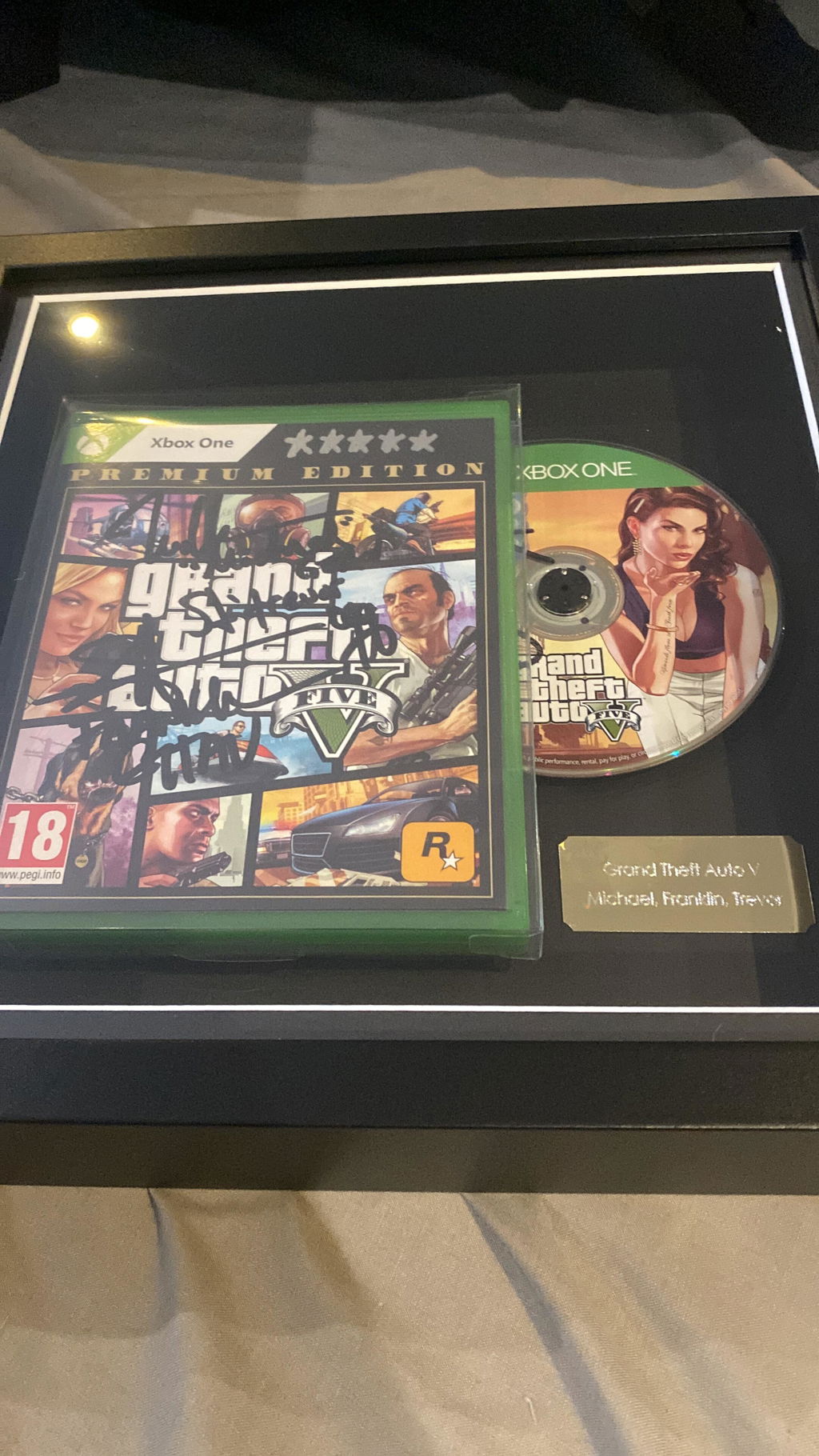
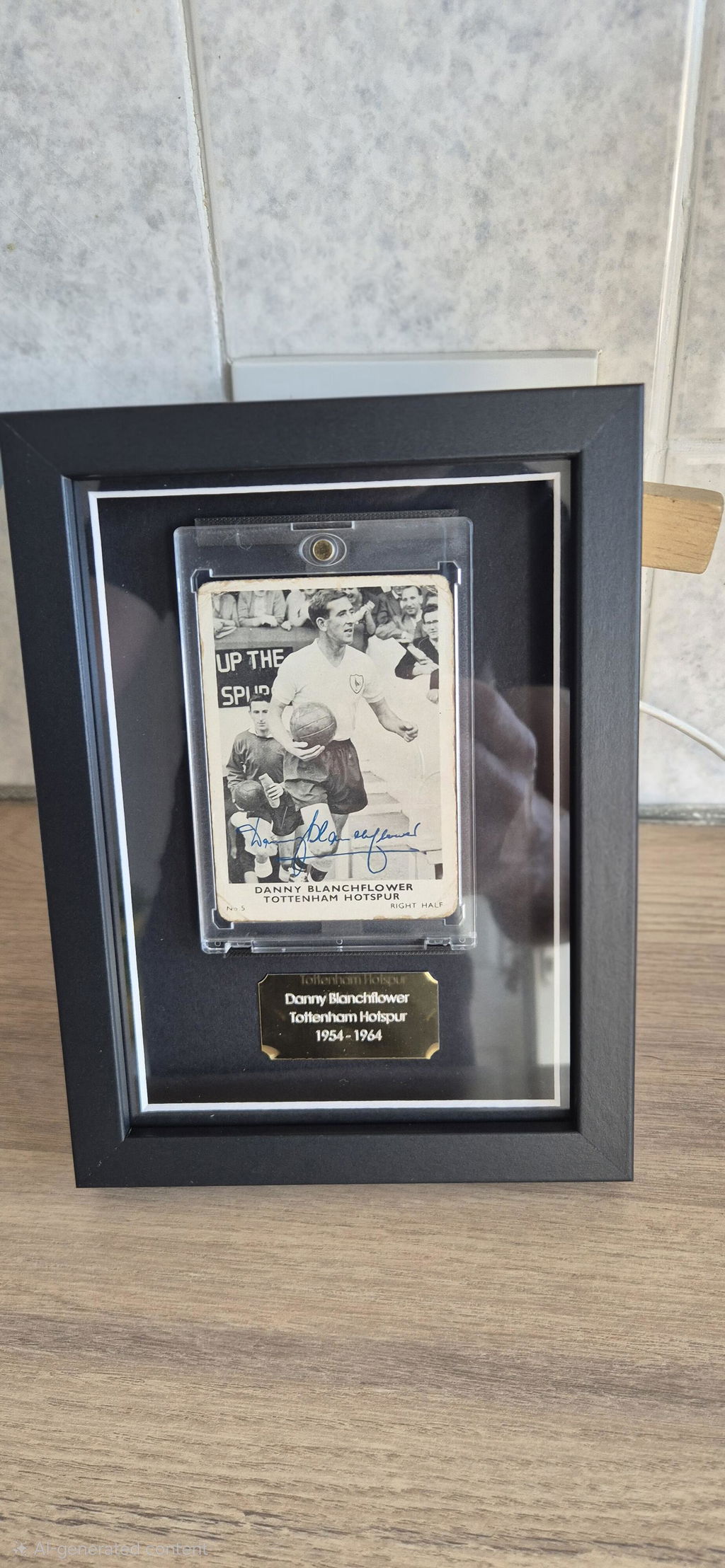
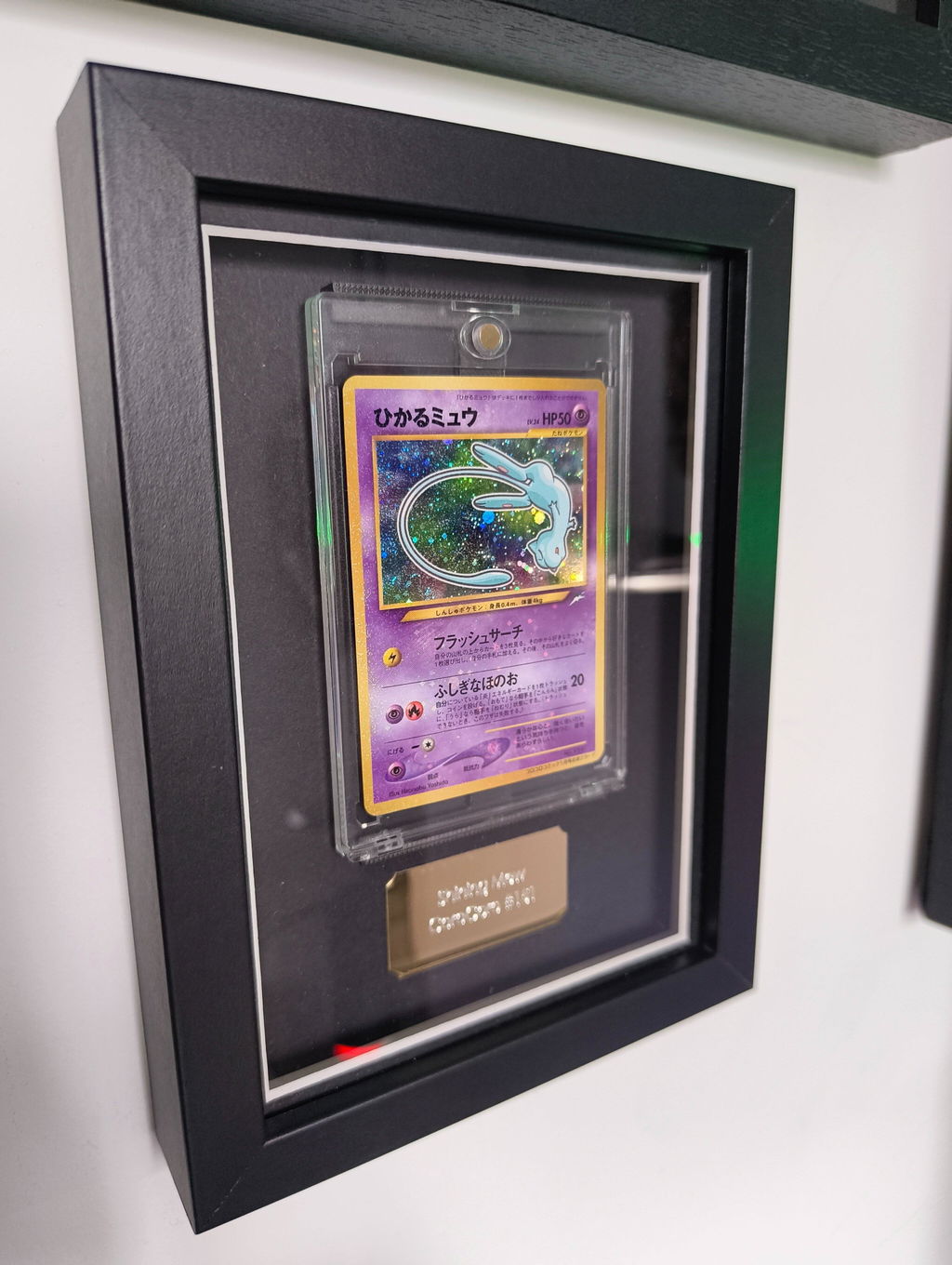
At CHEEVO, we make precision frames designed specifically for PSA and ACE graded slabs. UV-protective glazing blocks the wavelengths that cause fading. Exact-fit dimensions mean your slab sits securely without rattling. And the result is a card that goes from a box to a wall — protected, displayed, and finally visible.
Your graded cards deserve better than a drawer. Browse CHEEVO's range of display frames for PSA and ACE graded slabs — built for collectors who take their hobby seriously.
Shop CHEEVO Frames Get them out of the drawer. Get them on the wall.
Pokemon Card Grading UK ACE Grading PSA Grading Cost How to Grade Pokemon Cards Graded Card Display PSA UK Shipping CHEEVO