Can you count on card slabs to protect from UV damage?
As graded trading cards become more valuable and more commonly displayed, collectors are increasingly questioning whether grading alone is enough to protect them long term. One of the most important and often misunderstood aspects of preservation is ultraviolet light exposure. Many collectors assume that once a card is sealed inside a professional slab, it is fully protected from all forms of damage. In reality, physical protection and UV protection are not the same thing.
Understanding what graded slabs are designed to do, and where their limitations begin, is essential for anyone displaying PSA or ACE graded cards in their home or collection space.
What graded card slabs are designed to protect against
Grading slabs from PSA and ACE are engineered primarily for physical preservation. Once added to a slab, a card is protected from handling damage, bending, edge wear, moisture, dust, and accidental contact. The rigid, sealed plastic environment stabilises the card and prevents further mechanical degradation.
From a structural standpoint, grading is extremely effective. It locks in condition at a specific moment in time and ensures that the card cannot be altered without obvious damage to the slab. This level of protection is the foundation of why graded cards hold their value so well.
What these slabs are not designed to do, however, is actively filter ultraviolet light.
Why UV light is a long-term risk for trading cards
Ultraviolet light affects printed materials in a way that is slow, cumulative, and irreversible. Over time, UV radiation breaks down the pigments and inks used in trading card artwork. The result is gradual colour fading, reduced contrast, and a loss of vibrancy that can significantly alter how a card looks, even if it remains structurally perfect.
One of the most common misconceptions is that UV damage only occurs in direct sunlight. In reality, everyday indoor environments still pose a risk. Natural daylight through windows and certain artificial light sources emit enough UV radiation to cause visible degradation over long periods.
Because this process happens gradually, collectors often do not notice it until the damage has already been done.
Do PSA and ACE slabs offer UV protection?
Neither PSA nor ACE advertises their slabs as UV-protective. There is no published UV filtration rating for their cases, and no claim that they block harmful ultraviolet wavelengths. This reflects the intended purpose of the slab.
The plastic used in graded slabs may reduce a small amount of UV incidentally due to thickness, but this is not comparable to archival-grade UV protection. It is not tested, rated, or designed to meet museum or gallery standards for light filtration.
In practical terms, this means that while graded slabs protect cards from physical damage, they do little to protect against light-based ageing when a card is displayed.
Storage versus display: Where the difference matters
For graded cards kept in dark storage, UV exposure is largely a non-issue. In these conditions, the slab provides more than enough protection to preserve the card’s condition over time. But who wants to lock their cards away?
The risk increases once a graded card is displayed. Wall displays, open shelving, desks, and cabinets all expose cards to daily ambient light. Over months and years, this exposure adds up. The slab remains intact, the grade remains valid, but the card artwork itself slowly changes.
This is why some long-term collectors notice fading or dulling even though their cards have never been handled or removed from their slabs.
What 99% UV protection actually adds
True UV protection comes from specialised glazing used in archival framing. Glass or acrylic rated to block up to 99% of ultraviolet radiation prevents harmful wavelengths from reaching the card at all. When a graded slab is placed behind this type of protection, the risk profile changes completely.
Instead of slowing degradation slightly, UV-protective glazing dramatically reduces it. Colours remain stable, artwork retains its depth, and the visual integrity of the card is preserved for decades rather than years.
This does not replace grading. It complements it. The slab continues to provide authentication and physical protection, while the frame handles light exposure.
Why many collectors frame graded slabs
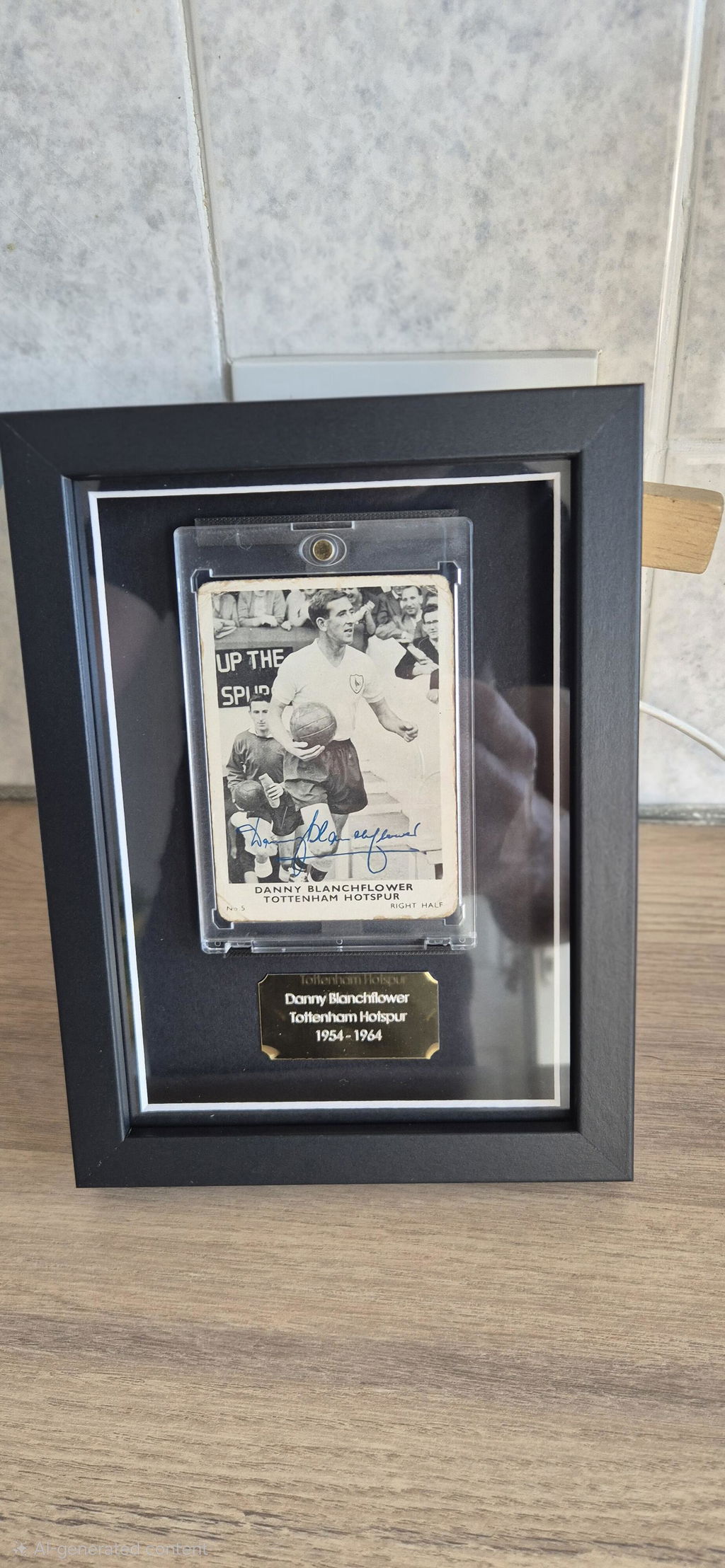
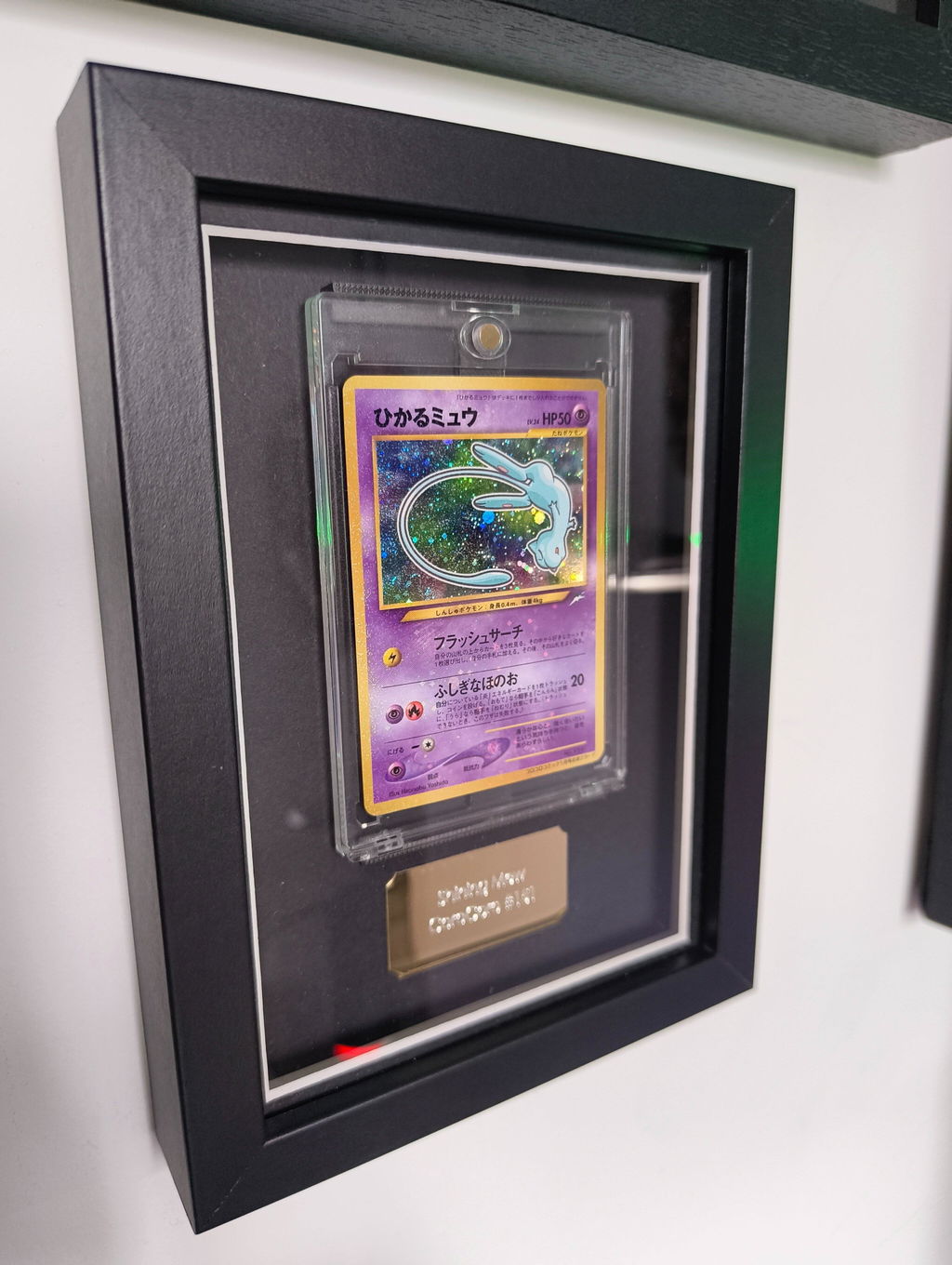
As graded cards increasingly function as display pieces rather than stored assets, collectors are adopting preservation methods borrowed from fine art and archival practice. Framing graded PSA and ACE slabs using frames designed to accommodate slab thickness, combined with 99% UV-protective glazing, allows cards to be displayed without compromising their future condition.
This approach acknowledges a simple reality. Grading was never intended to solve UV exposure, and display was never part of the slab’s design brief.
The bottom line for graded card collectors
PSA and ACE slabs are highly effective at protecting trading cards from physical damage and environmental contamination. What they do not provide is meaningful ultraviolet protection. For cards kept in storage, this limitation is largely irrelevant. For cards on display, it becomes one of the most important factors in long-term preservation.
Pairing a graded slab with a frame that offers 99% UV protection completes the preservation process. It allows collectors to enjoy their cards visually while ensuring that time and light do not quietly erode the very qualities that made those cards worth grading in the first place.
Frequently asked questions about graded card slabs and UV protection
Are graded card slabs UV protected?
Graded card slabs are not designed to provide meaningful UV protection, but it's best to check with each vendor. While the plastic casing may reduce a small amount of ultraviolet light incidentally, it is not tested or rated to block UV radiation. Additional protection is required if graded cards are displayed in light-exposed environments.
Do PSA graded slabs block UV light?
PSA slabs protect cards from physical handling and environmental contaminants, but they do not actively block ultraviolet radiation. PSA does not publish any UV filtration rating for its slabs.
Do ACE graded slabs offer UV protection?
ACE slabs are designed for authentication and physical preservation, not light filtration. ACE does not claim or specify UV protection as a feature of its grading cases.
Can UV light damage a graded card inside a slab?
Yes. Ultraviolet light can still reach the card inside a graded slab and gradually fade inks and colours over time. This can occur even indoors through ambient daylight or artificial lighting when a card is displayed.
Is UV damage to trading cards reversible?
No. UV damage permanently alters the pigments used in trading card printing. Once colours fade or contrast is lost, the original appearance cannot be restored, making prevention essential.
Do graded cards need UV protection if stored away?
If graded cards are stored in dark environments such as boxes or drawers, UV exposure is minimal and additional protection is usually unnecessary. UV protection becomes important when cards are displayed.
What does 99% UV protection mean for card displays?
99% UV protection refers to glazing materials that block nearly all harmful ultraviolet wavelengths before they reach the card. This level of protection is commonly used in archival and museum displays to preserve printed artwork long term.
Should graded cards be framed for display?
Framing is not required for grading or authentication, but it is one of the most effective ways to protect displayed graded cards from UV damage when combined with 99% UV-protective glass or acrylic.